
Bitumen is a black and sometimes brown substance made up of heavy molecules and is usually solid or semi-solid at room temperature. Bitumen has excellent adhesion properties and high resistance to water penetration, which is why it is widely used as an insulator in the construction industry. In addition, bitumen has many uses in the road construction industry as an adhesion agent for asphalt, and in some countries, bitumen is even known as asphalt.
Bitumens are generally divided into two categories:
1. Natural Bitumen
Natural bitumen, as its name suggests, is a type of bitumen that is naturally occurring. These types of bitumen can be used without the need for distillation. In other words, natural bitumen originates from crude oil, but the light components of the crude oil have evaporated naturally over time, and the polymerization and oxidation processes have also taken place over time. Natural bitumen is very diverse in terms of properties and composition.
It is better to know that natural bitumen is not found alone in nature and exists in a mixture with other minerals, which is called asphalt. Natural bitumen can be obtained by extracting from asphalt mixture. The purest natural asphalt is called Gilsonite, which contains more than 90% bitumen. We have three types of natural asphalt: rock asphalt, lake asphalt, and asphaltide materials, or Gilsonite.
2. Refined bitumen
Refined bitumen is obtained using a distillation process, such as bitumen from coal and petroleum.
Coal tar is a type of bitumen obtained by distilling coal tar. This type of bitumen has good adhesion and is used as insulation for underground pipes.
Bitumen derived from crude oil is divided into three categories as follows:
Soft bitumen, solid bitumen and liquid bitumen.
Soft bitumen is obtained by direct refining, solid bitumen is blown bitumen, and liquid bitumen is a type of bitumen mixture.
Export grades of Bitumen from Nusrat DN Trading
Export bitumen 60/70
Export bitumen 60/90
Export bitumen 85/100
Export bitumen 50/70
Export bitumen 80/100
Export bitumen 10/120 (coating grade)
And other grades and types of bitumen…
Selling bitumen in barrels, bulk and bags by land or sea
Types and applications of bitumen (Bitumen):
Polymer bitumen (use on asphalt and asphalt recycling)
Emulsion bitumen (use in road construction including paving and subgrade construction as an adhesive)
MC250 bitumen (use of thin coating - staining - sealing)
Export bitumen 60/70
Loose bitumen 60/70 This type of bitumen is mainly used in the construction industry and insulation of internal and external surfaces of buildings Used.
Export of 25/85 bitumen (mixed bitumen)
Mixed bitumen is mainly used in various types of asphalt coverings due to its high adhesion properties
Export of 15/90 bitumen (hard cardboard bitumen)
Due to the climatic characteristics in different regions, bitumen with different specifications and characteristics is required for roof insulation and other uses.
85/100 bitumen: Used in cold regions - most widely used in road construction and industrial use
90/130 bitumen: Used in cold regions - for road reconstruction
Types of bitumen
Directly refined bitumen or soft bitumen
It is a type of bitumen that is obtained directly from vacuum distillation towers without additional operations and is classified by permeability, and these bitumens are known as Pen Grade bitumens. Such as 60/70 bitumen and 80/100 bitumen. Some classify the residue of the vacuum distillation tower or vacuum bottoms as Pen Grade bitumens and call it 200/300 bitumen. 200/300 bitumen can be used as a raw material for the production of other Pen Grade bitumens.
Blown bitumen:
It is a type of bitumen that has undergone a polymerization reaction due to air blowing into it and has acquired rubber properties. Because blown bitumen has plastic properties, it is called Rubberized Bitumen. Such as 10/90 and 40/100 bitumens.
Soluble bitumen:
Cut Back Bitumen is obtained by dissolving pure bitumen in petroleum solvents. Cut Back Bitumen must have the appropriate acidity level to adhere to wet materials. Cut Back Bitumen is divided into three categories: fast-setting, slow-setting, and retarded-setting. MC250 Bitumen is one of the types of cut back bitumen.
Emulsion bitumen:
Emulsion bitumen is a mixture of water and bitumen. Bitumen is mixed with water using a chemical called an emulsifier. The resulting mixture is completely uniform and homogeneous. This bitumen is widely used in the road construction industry because it does not require heat and water is absorbed by various minerals. Emulsion bitumen can be used to prepare cold asphalt and this bitumen is not flammable due to the use of water and the absence of petroleum solvents and there is no risk of fire during transportation and use, and it is environmentally friendly due to the use of water.
Bitumen 60/70
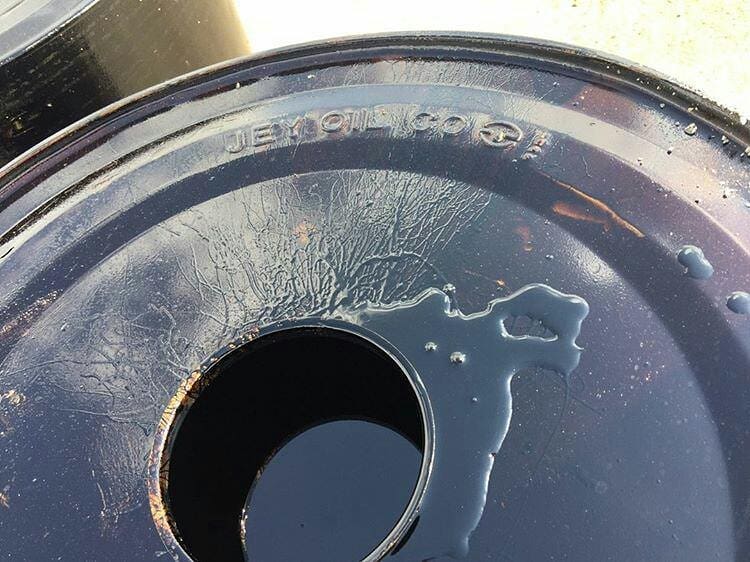
Nosrat DN Trading Company is an independent supplier of Iranian bitumen capable of packaging and exporting all types of Iranian bitumen to all over the world. Among the bitumens exported by this company, which are offered to customers in export metal barrels (bitumen barrels) and polybags (bitumen polybags), we can name bitumens 60/70, 80/100, 85/100, 30/40 and 40/50. The export shipments of this company are inspected by international inspection institutions that have representatives in Iran upon customer request. Among the bitumen inspection institutions, we can name SGS, which inspects export shipments at the factory, during packaging, and also at the time of delivery at ports. In addition, all bitumen barrels produced by Nosrat Trading Company have the DN logo.
Bitumen 80/100:
Bitumen grade 80/100 is a standard bitumen type of penetrating bitumen, commonly known as road grade bitumen, and has excellent properties for road construction and asphalt and road surfacing. This type of bitumen is mainly used in the manufacture of hot mix asphalt. Penetrating bitumens such as bitumen 80/100 are petroleum bitumens obtained from the distillation of crude oil. In principle, this type of bitumen is prepared from the bottom of the distillation tower. Penetrating bitumens are classified based on the amount of penetration and degree of softness, and the type of bitumen is expressed by the degree of penetration, so bitumen 80/100 has a penetration degree of 80 to 100. Infiltration grade bitumens have thermoplastic properties, this property causes the viscosity of bitumen to decrease at high temperatures and its viscosity to increase at low temperatures, and among them, 80/100 bitumen is most widely used in the preparation of road surfacing.
Nosrat DN Trading is one of the suppliers and exporters of 80/100 bitumen in Iran. This company has been able to occupy a good position in the export of this type of bitumen over the past years by selling high-quality 80/100 bitumen. This company ships its export bitumens to global markets in export metal barrel packages and bitumen polybags, and has the ability to provide different grades of bitumen, including 80/100 bitumen, to buyers as soon as possible, with the best quality and the most reasonable price.
In addition, if needed, buyers can receive the purchased shipments at Iranian ports and borders, and Nosrat DN Trading cooperates with the most reputable transportation companies in Iran to achieve this.
Bitumen emulsion:
A mixture of two immiscible liquids, one of which is dispersed in the other and is inseparable, is called an emulsion. A mixture of two immiscible liquids, one of which is dispersed in the other and is inseparable, is called an emulsion.
According to the definition of emulsion, bitumen emulsion is a mixture of bitumen and water with an emulsifying agent. An emulsifying agent is a substance that prevents bitumen particles in water from sticking together and causes bitumen to be completely dispersed in water. In this way, the emulsifying molecules surround the bitumen molecules and prevent the bitumen particles from accumulating and sticking together again, and these particles are surrounded by water. Emulsifying agents include inorganic colloidal emulsifiers such as bentonite clay and chemical emulsifiers such as soap. The mineral emulsifier bentonite is more resistant to weathering than the chemical emulsifier. In addition, the mineral emulsifier bentonite is more resistant to ultraviolet radiation than the chemical emulsifier.
To prepare bitumen emulsion, machines known as high-speed rotating machines are used. In these machines, water, molten bitumen and an emulsifying agent are placed between plates that are rotating at high speed, and the bitumen is dispersed in the water due to the centrifugal force produced by the rotating plates. The speed of the rotating plates is usually 3000 rpm, but bitumen emulsion can also be produced using low-speed mixers, but in these cases, a strong emulsifying agent must be used, as well as bitumen that melts at low temperatures. Usually, the amount of bitumen in a bitumen emulsion is about 50 percent, and the amount of emulsifying agent used in a bitumen emulsion varies from one hundredth to five percent.
The most common use of bitumen is in asphalt and road construction.
Asphalt
Asphalt is a mixture of one of the types of bitumen grades 60/70, 80/100 and 40/50 along with sand and gravel, which is mixed under a temperature of 180 degrees Celsius in asphalt making machines and is used to spread on the ground for road construction. Asphalt for road and road construction is produced in two forms: cold asphalt and hot asphalt. Hot asphalt is often used for the construction of important roads and highways, and cold asphalt is used for the construction of roads that do not have access to an asphalt plant or for the construction of secondary and remote roads.
What is asphalt: Asphalt is one of the most important materials in the transportation industry, used for road construction and road construction.
Asphalt is known as one of the most important construction materials in the transportation industry due to its properties such as resistance to pressure, abrasion, weather, and heat.
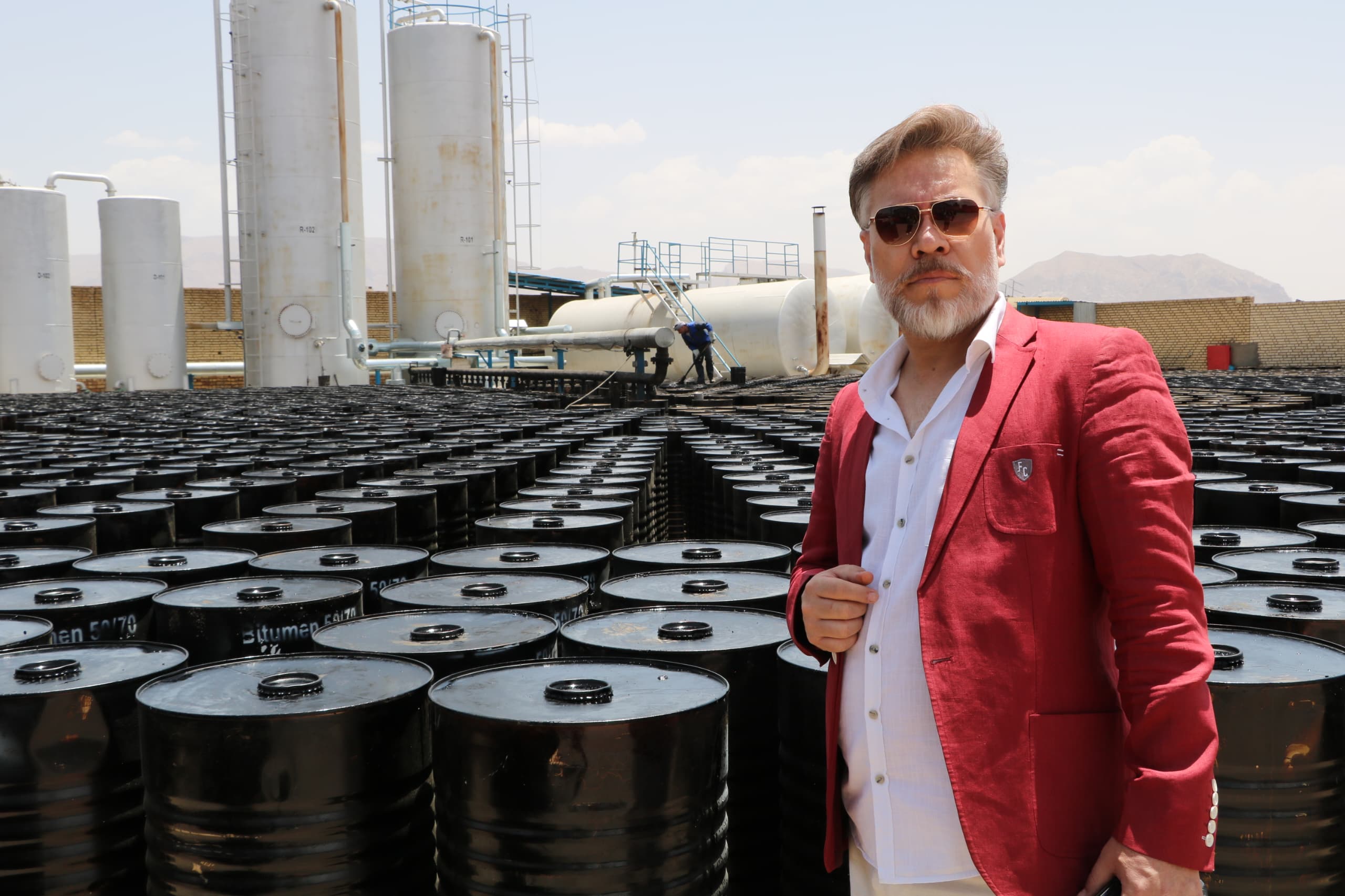
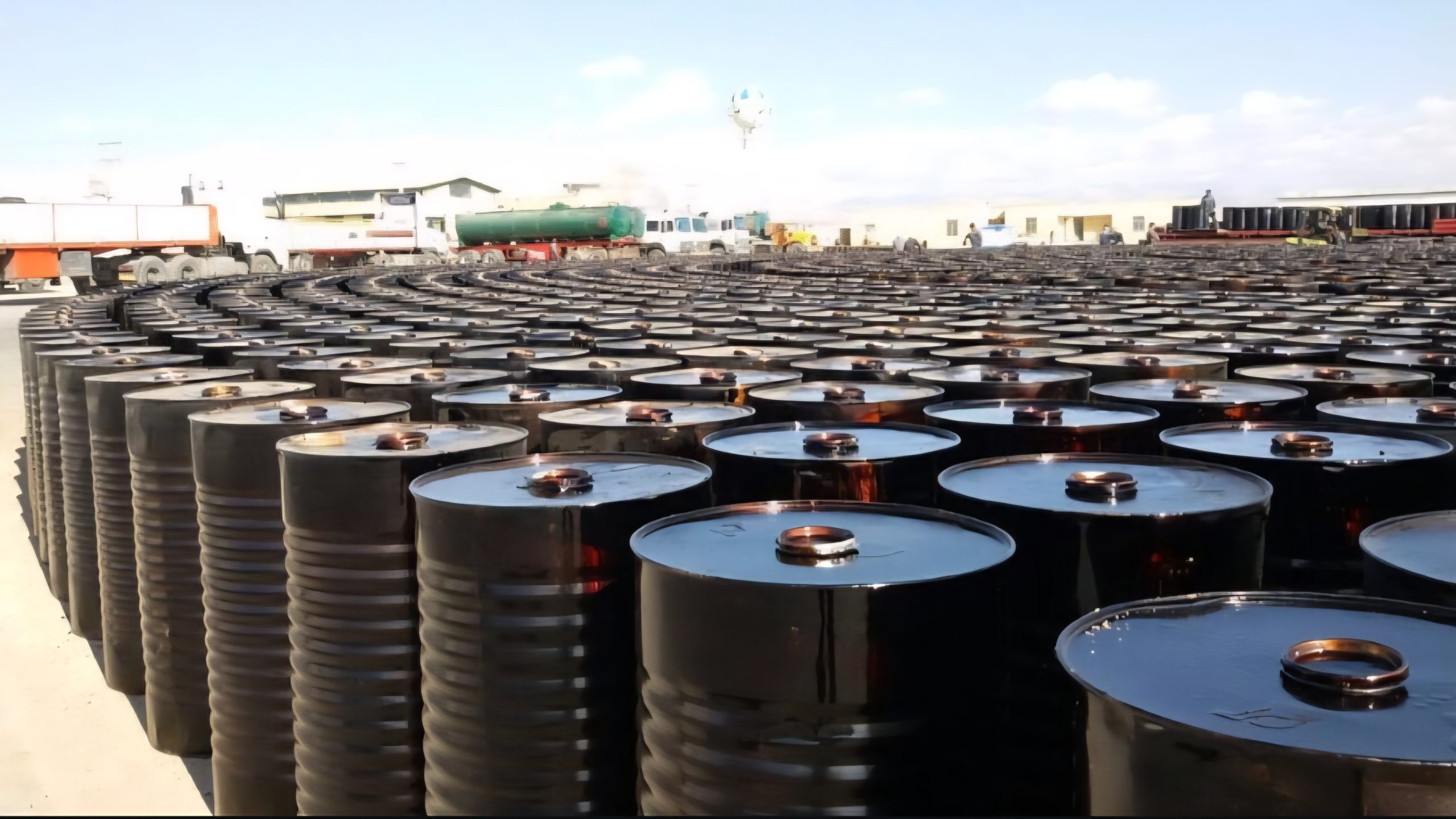
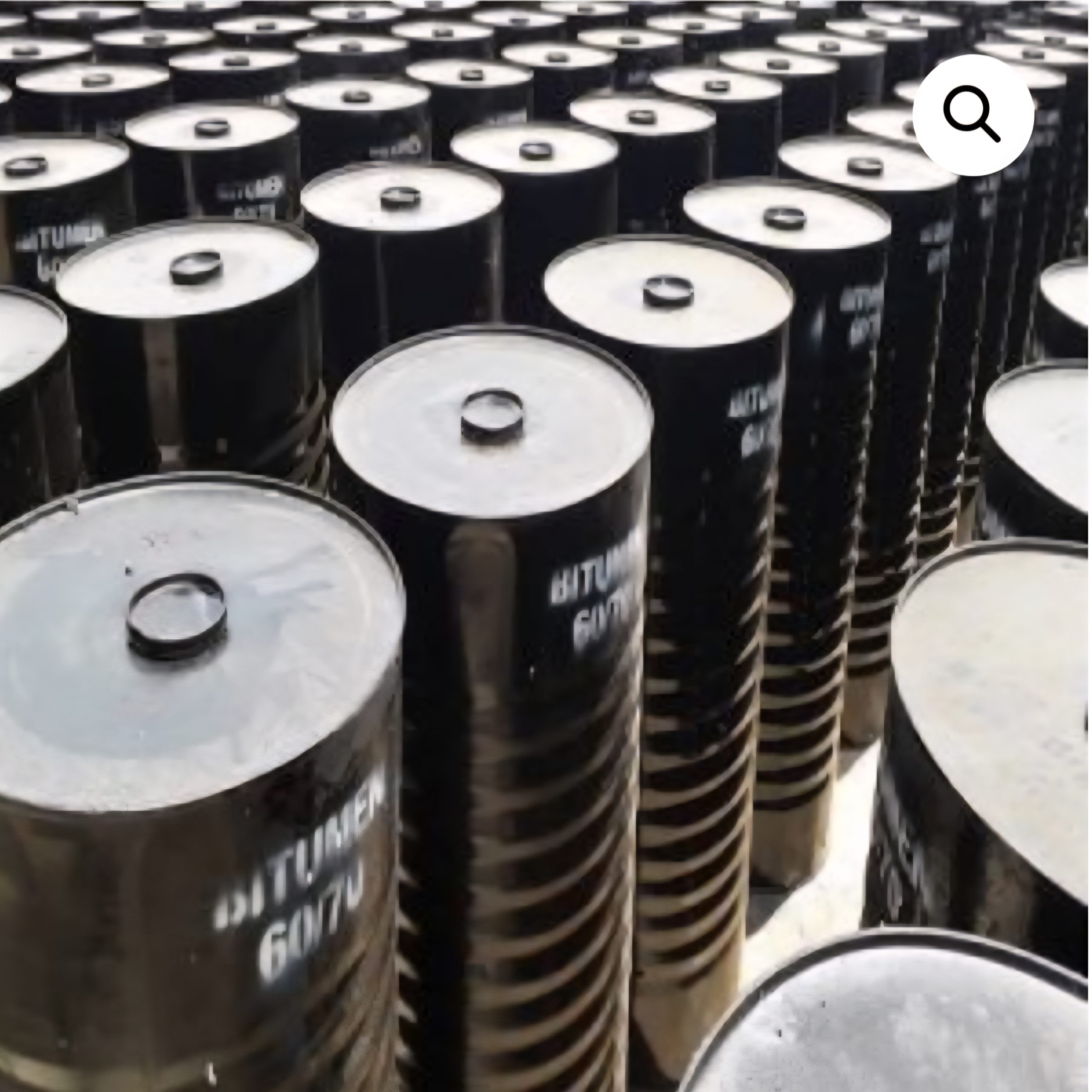
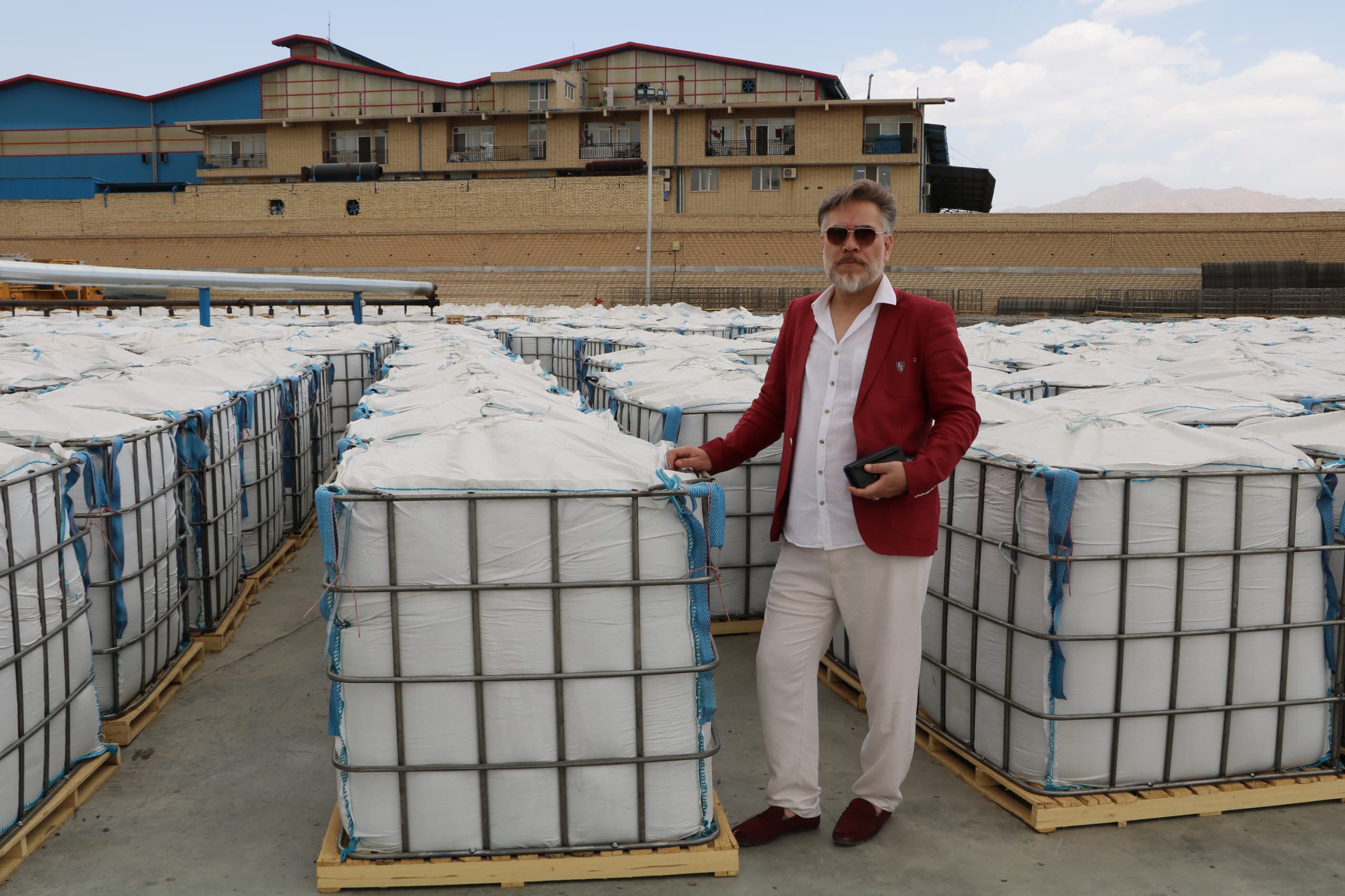
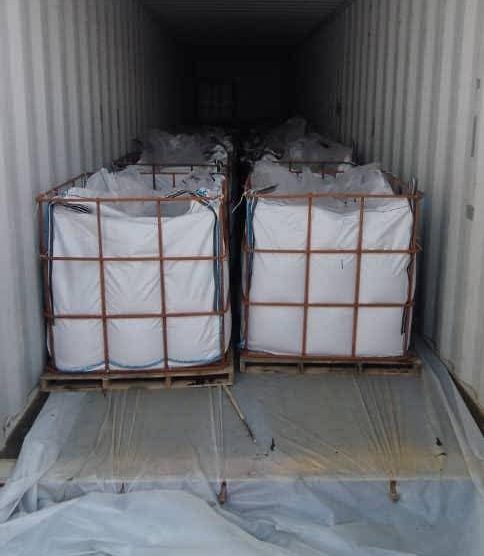
Nosrat DN Trading Company operates as an exporter of bitumen from Iran to all over the world. This group is capable of supplying and packaging penetration grade bitumen from the best refineries in Iran and exports its bitumen packaged in barrels or polybags in bulk and arranged on pallets to bitumen buyers.
Gallery
 EN
EN  FA_IR
FA_IR